Norway, The Land of Fjords and Northern Light
Norway is where dramatic cliffs drop into silent fjords, where midnight sun stretches time into something surreal, and where winter skies sometimes explode into waves of green light. It’s a country that doesn’t try to impress you loudly—it does it quietly, with space, air, and stillness that feels almost unreal.
Introduction
When I first thought about visiting Norway, I expected it to be beautiful in the way postcards are beautiful—clean, crisp, almost distant. But what I didn’t expect was how immersive it would feel. Norway doesn’t just show you landscapes; it places you inside them. One moment I was standing in a modern city surrounded by glass and minimalist architecture, and the next I was looking out at a fjord so deep and still it felt like time had stopped entirely. What stayed with me most wasn’t just what I saw, but the silence between things—the space to think, to walk, to simply exist without urgency.
Quick facts
- Best Time: May–September (summer fjords), November–March (Northern Lights)
- Recommended Stay: 7–12 days
- Currency: Norwegian Krone (NOK)
- Language: Norwegian
- Budget: $$
Why Norway Feels Different
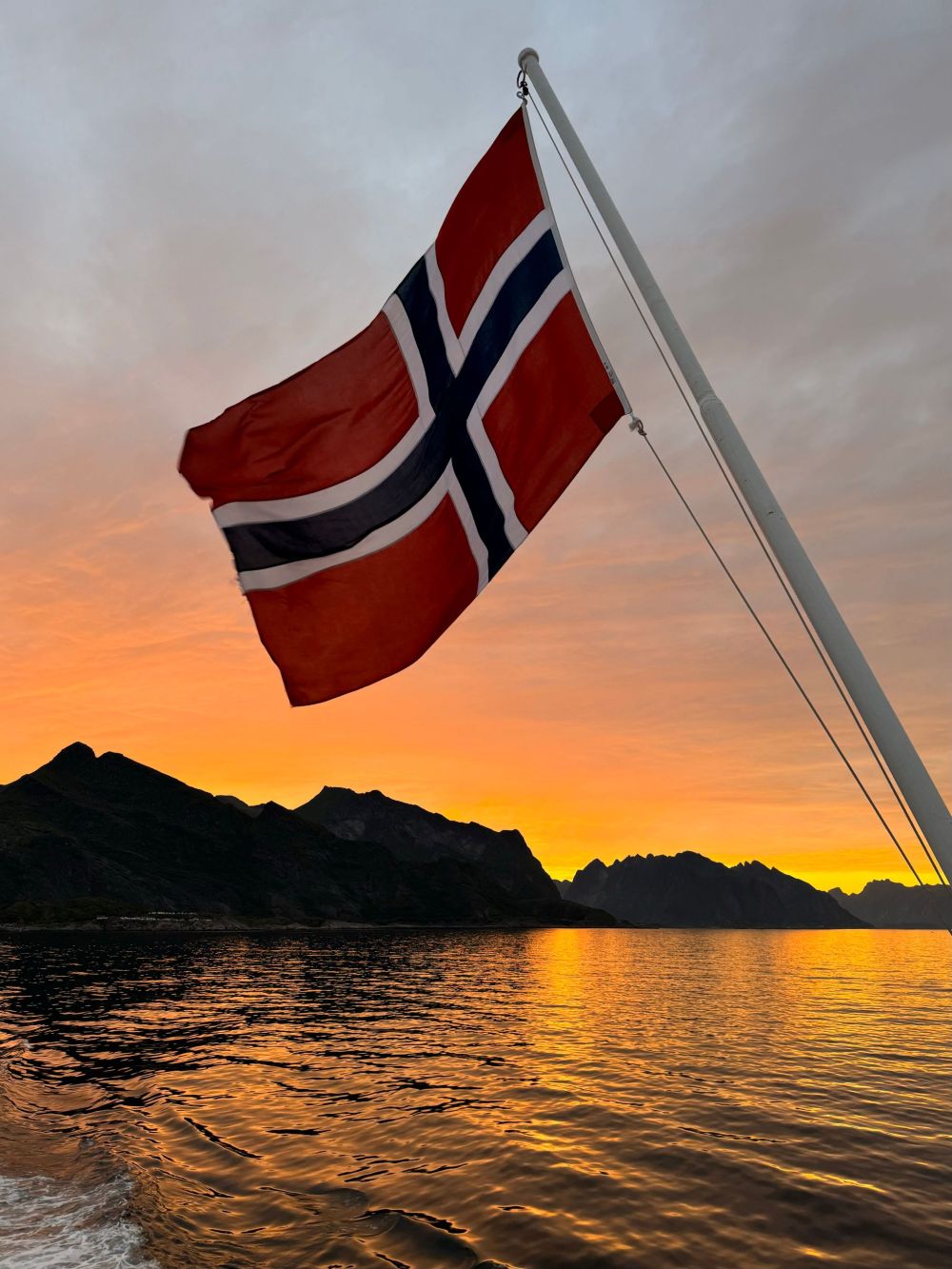
Every country has a rhythm. Norway’s rhythm is shaped by nature. Cities feel carefully placed rather than expanded, as if they were designed to respect the mountains, water, and forests rather than compete with them. In places like Oslo, modern life blends effortlessly with nature. You can have coffee in a minimalist café and, within minutes, be walking along forest trails overlooking the fjord. There’s a sense that people don’t separate life from nature here—they live inside it. That balance stayed with me long after I left.
My Favorite Experiences
Fjord Cruising in the West
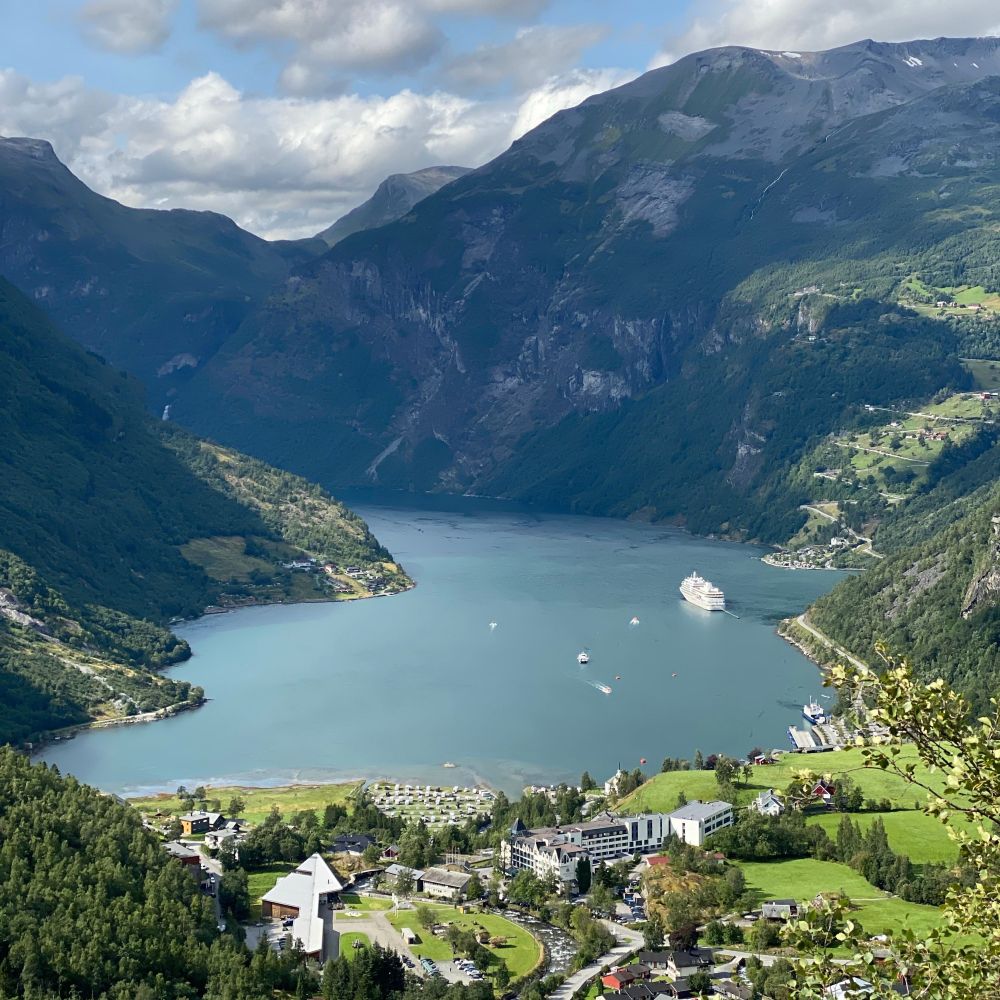
Nothing quite prepares you for the fjords. I remember standing on a boat surrounded by cliffs that rose so high they seemed to swallow the sky. Waterfalls spilled straight down rock faces like threads of silver. One of the most unforgettable places was the UNESCO-listed Geirangerfjord. It didn’t feel real in the usual sense—it felt like a landscape that had been carefully composed rather than formed naturally. The boat moved slowly, almost respectfully, as if rushing would break something sacred.
Exploring Oslo’s Quiet Energy
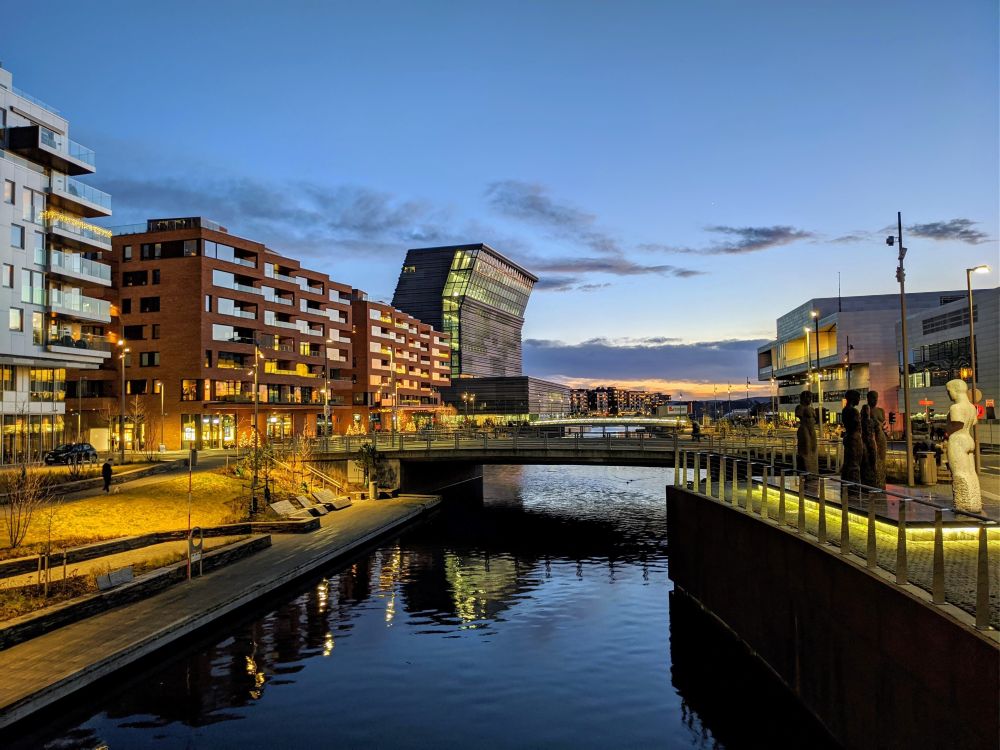
Oslo surprised me in how calm it felt for a capital city. There’s modern architecture everywhere, but it never overwhelms the space around it. I spent mornings walking along the harbor, where sleek buildings reflected in the water and locals swam even when the air felt too cold for comfort. Afternoons often ended in museums or parks, where people read, talked, or simply sat without rushing anywhere. It’s a city that doesn’t demand attention—it earns it slowly.
Bergen and the Gateway to the Fjords
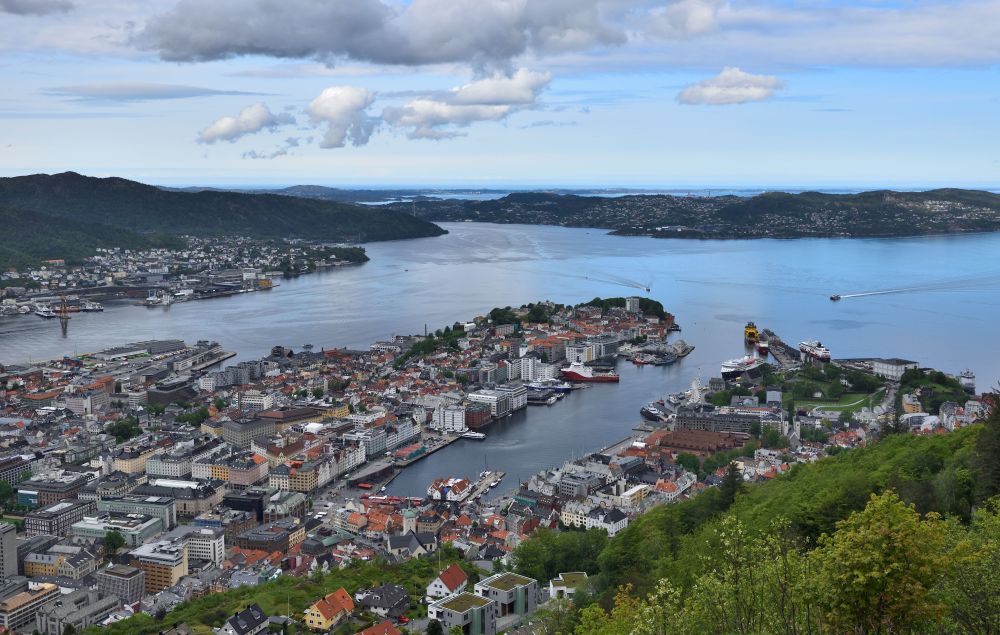
Bergen felt like stepping into a storybook. Colorful wooden houses lined the waterfront, and mist often hung in the air like a soft filter over everything. The historic harbor area, Bryggen, felt especially atmospheric—narrow alleyways, tilted buildings, and the constant smell of the sea. Rain came and went without warning, but instead of ruining the experience, it made everything feel more alive. It’s the kind of place where you don’t mind getting a little lost.
Chasing the Northern Lights
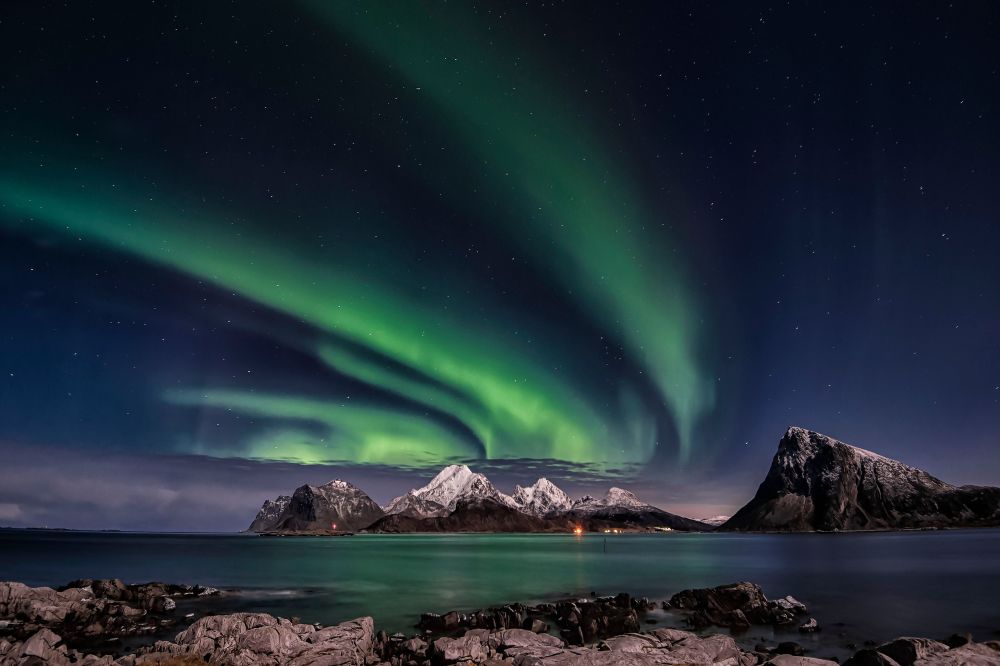
One of the most surreal moments of my trip happened far north, under freezing skies. I had seen photos of the Aurora Borealis before, but nothing compares to seeing it in person. At first, the sky looked empty. Then slowly, faint green light began to move like a curtain being pulled across the stars. Within minutes, it was dancing—shifting, pulsing, alive. Nobody spoke much. There wasn’t really anything to say.
The Lofoten Islands Escape
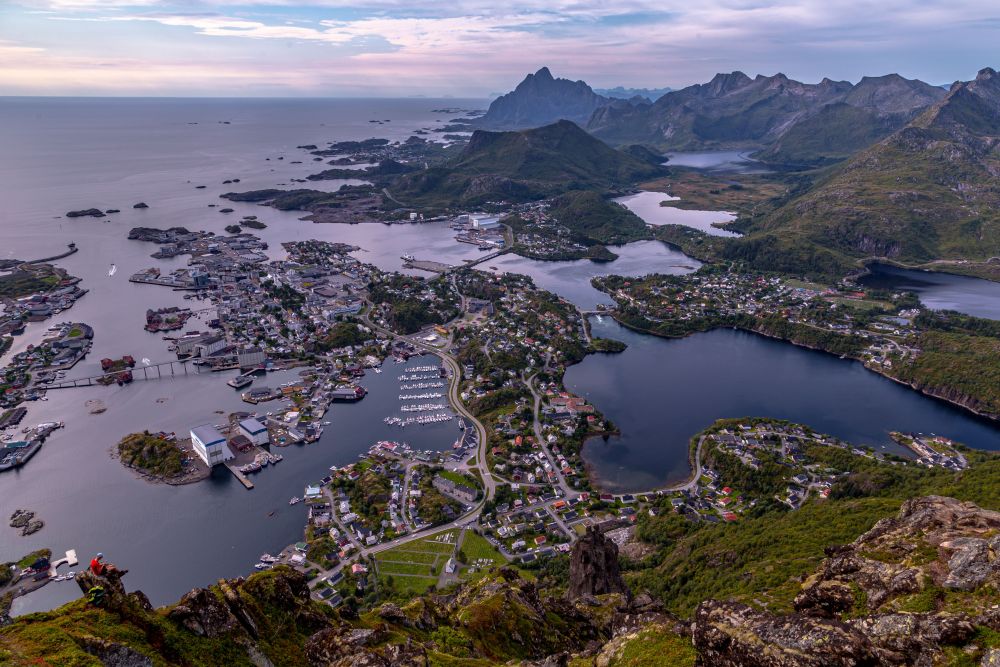
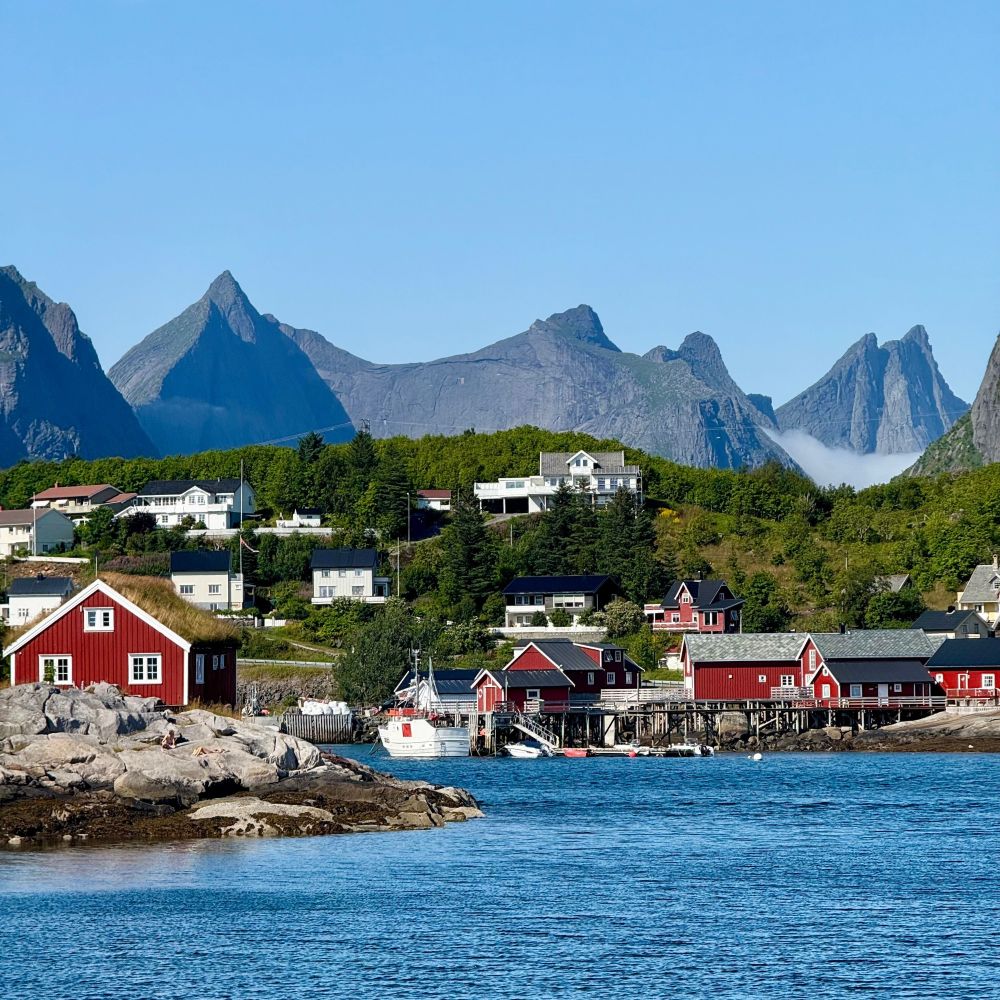
The Lofoten Islands felt almost impossibly beautiful. Jagged mountains rise directly from the sea, and small fishing villages sit quietly beneath them, as if protected by the landscape itself. I remember standing near the water late in the evening, when the light barely faded even though it was technically night. The ocean was calm, the air was cold, and everything felt suspended in time. It’s the kind of place that makes you understand why people travel so far north.
Food Worth Trying
Norwegian food is simple, seasonal, and deeply connected to the land and sea. Some dishes I'd recommend trying include:
🐟 Fresh Salmon
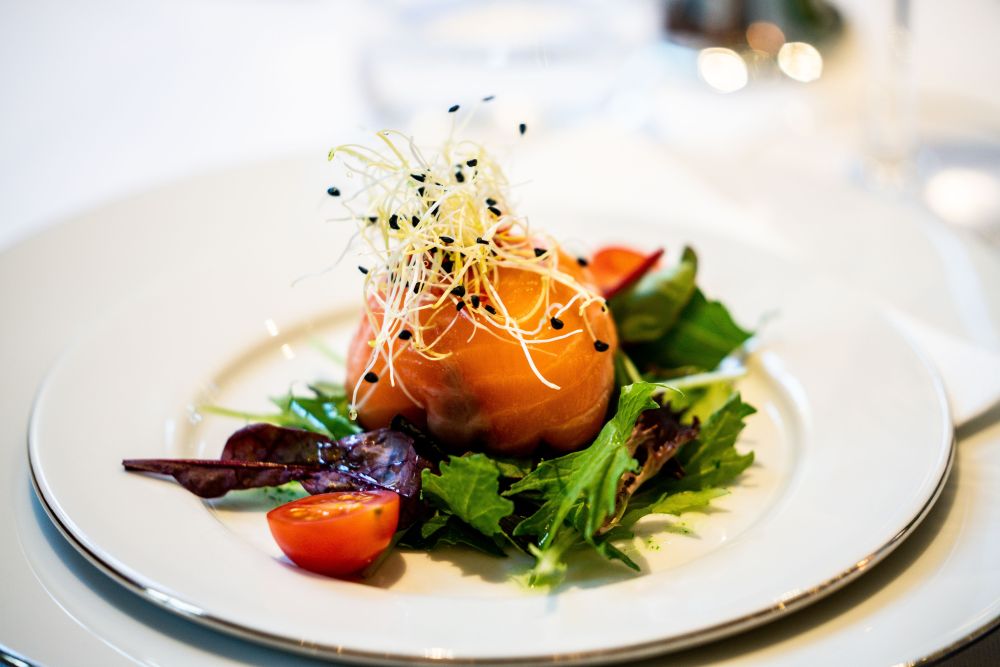
Norway's cold, crystal-clear waters produce some of the finest salmon in the world, and the
difference is noticeable from the very first bite. Whether served smoked, grilled, or lightly cured,
the fish is incredibly fresh, tender, and naturally flavorful. Many restaurants keep the preparation
simple, allowing the quality of the salmon to speak for itself. It's one of those meals that
perfectly reflects Norway's connection to the sea.
Perfect for: Lunch by the harbor
🧀 Brunost (Brown Cheese)

Brunost is one of Norway's most unique culinary traditions. Made by slowly caramelizing whey, it has
a rich brown color and a surprisingly sweet, caramel-like flavor with subtle savory notes. Thin
slices are commonly enjoyed on fresh bread, crispbread, or warm waffles, making it a staple of many
Norwegian breakfasts.
Perfect for: Breakfast or snacks
🥔 Traditional Lamb Dishes
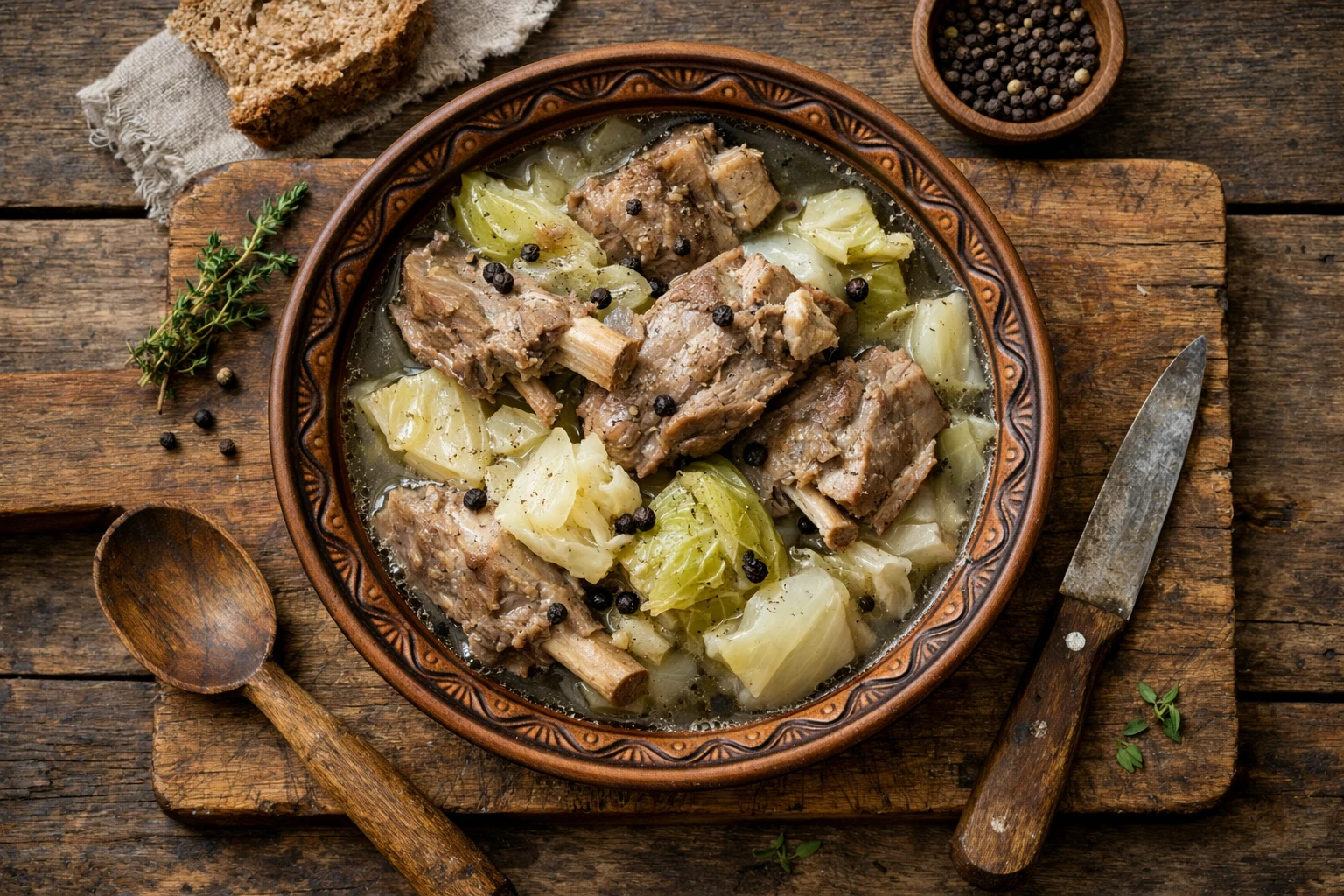
Lamb has long been an important part of Norwegian cuisine, especially in the country's mountain
regions. Slow-cooked with herbs and seasonal vegetables, the meat becomes wonderfully tender and
full of comforting flavor. These hearty dishes are especially popular during the colder months,
offering a warm and satisfying meal after a day spent exploring Norway's breathtaking landscapes.
Perfect for: Dinner after a day of sightseeing
🧇 Norwegian Waffles

Unlike the thicker Belgian varieties, Norwegian waffles are soft, heart-shaped, and slightly
thinner, making them perfect for a light snack or afternoon treat. They're traditionally served with
toppings like sour cream, strawberry jam, or slices of brunost, creating a delicious balance of
sweet and savory flavors. Whether enjoyed in a cozy café or a mountain lodge, they're a simple
comfort food that's easy to fall in love with.
Perfect for: Afternoon coffee breaks
Practical Tips
🌲 Dress for changing weather
Even in summer, conditions can shift quickly—layers are essential.
🚶 Slow travel works best
Norway is not a country to rush. Distances can feel short on a map but long in experience.
💳 Card payments are everywhere
Cash is rarely needed, even in remote areas.
Final Thoughts
Norway isn’t loud about its beauty. It doesn’t try to overwhelm you with color or noise. Instead, it gives you space—space to breathe, to think, to notice small things like wind moving across water or light changing on a mountain face. When I think back on my time in Norway, I don’t remember a single defining moment. I remember a feeling that stayed consistent throughout the journey: calm, vast, and quietly powerful. It’s not a destination you simply visit. It’s one you experience slowly, until you realize it has changed the way you look at silence itself.